July 30, 2026
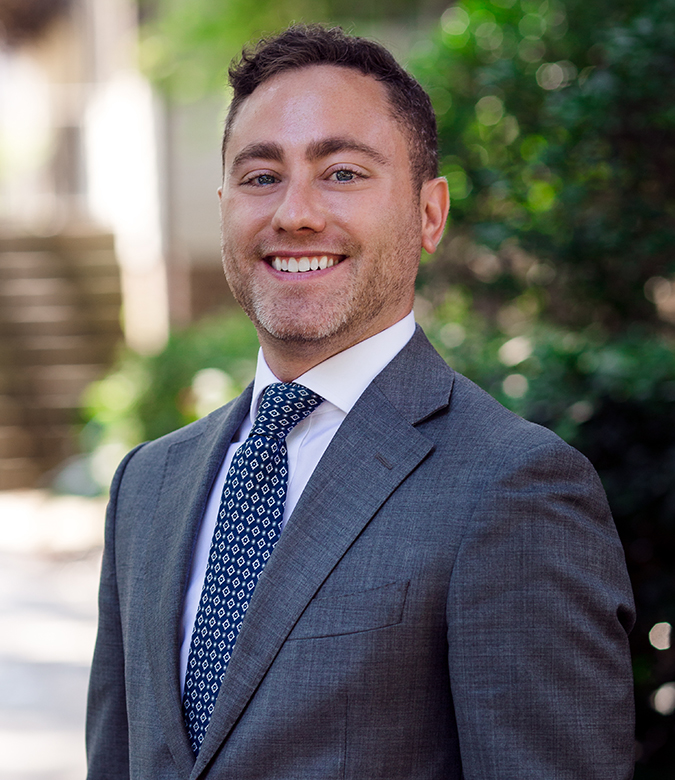
By: Josh Yellin, as published by Savannah Morning News & Savannah CEO
Walk into a retail shop on Broughton Street these days and someone might offer you a beer while you shop. Stop in for a blowout and a mimosa could be waiting at the chair. It’s a lovely way to do business, and it suits this city. Savannah has always known how to make people feel welcome.
It’s easy to overlook that the friendly glass a business owner just handed a customer sits on top of a licensing question. And in Savannah, that question has more moving parts than most people expect. Lately we’ve fielded questions about food halls, wine tasting spaces, even mixed-use spots with alcohol operations nested into existing establishments, proof that the old way of thinking about alcohol is quickly falling away.
The Savannah requirements were generally built for two kinds of places, a restaurant or bar, or a package store to take bottles home. What has changed is not the law but the market.
Over the last few years, a drink has quietly become an amenity, part of the experience, and something many business owners count on to make their model work.
Around the country, movie theaters and grocery stores now serve alcohol, bowling alleys and axe-throwing spots pour pitchers, self-pour walls let you fill your own glass, and food halls run a single bar for a dozen vendors. Those two categories were never drawn with any of that in mind, and Savannah’s code hasn’t fully caught up to how (and where) people actually drink now.
A common misunderstanding I run into is about the “free drink.” I’ll often hear an owner explain that the drinks are complimentary, so surely no license is needed. It’s a reasonable assumption, and it’s usually wrong. In Savannah, serving alcohol as part of your business generally calls for the proper license whether the customer pays for that particular drink or not, because the drink is there to bring people in and keep them a while. Free does not mean unregulated, and it’s a common mistake that well-meaning businesses make.
There are other soft spots. A one-time event, say a gallery opening or a trunk show with a few bottles of wine, follows different rules than pouring every day, and the shortcut that works for the party can slowly become a routine that has drifted outside the lines.
Location also matters here in a way that catches people off guard, because our local rules are their own puzzle. Whether your address falls inside the City of Savannah, out in unincorporated Chatham County, or in one of the neighboring towns can change the rulebook entirely, and within the city, the zoning districts and their overlays add yet another layer. All too often, we’ve had to tell people that a location they loved wouldn’t work for their business because of alcohol restrictions.
I’m not raising any of this to scare anyone off. Just the opposite. Almost every one of these situations is simple to handle when you sort it out on the front end. A short conversation before you open, or before you add that beverage station, tends to save a lot of trouble later. The rules are not here to spoil a good idea. For the most part, they exist so a neighborhood knows what to expect and everyone is working from the same terms.
That said, the rules don’t always keep up with the market. As Savannah grows, this is a conversation worth having, and I’m confident the city can find the right balance, protecting residents and neighborhoods while giving business owners room to try something new.
Part of what makes Savannah feel like Savannah is exactly this blend. The shop that feels like a destination. The spa that feels like a small escape. The owner willing to try something a little different and make you feel at home while they do it. That spirit is worth protecting, worth doing right, and worth encouraging.
So if you are dreaming up one of these concepts, or you already have a bottle open and a quiet feeling you should double-check, trust it. Ask the questions early, get the answers you need, and then go pour with confidence.
Josh Yellin is a partner at HunterMaclean in Savannah, where his practice includes commercial real estate, zoning and land use, and alcohol licensing.