June 24, 2026
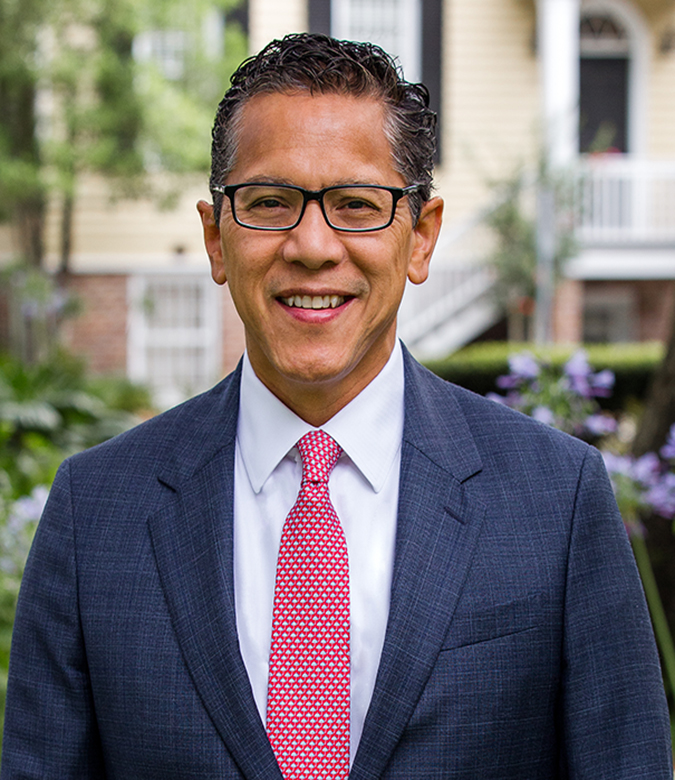
By: Edgar Bueno
On June 23, 2026, the Department of Justice (DOJ) announced the results of its annual National Health Care Fraud Takedown. A total of 455 defendants were charged in schemes involving over $6.5 billion in fraud, waste, and abuse. While the total dollar amount is less, the number of people charged, including 90 licensed medical professionals, was nearly 40% higher than last year.
Expansion of Anti-Fraud Efforts
The most significant highlight of this Takedown was the expansion and breadth of coordinated enforcement efforts at the federal, state, and international levels. These efforts are being led by the White House Task Force to Eliminate Fraud, DOJ’s National Fraud Enforcement Division, and other law enforcement partners.
For example, several high-profile fraud suspects were apprehended abroad in locations such as Cyprus, Estonia, and the Philippines. Many of these schemes trace back overseas, often run through international referral networks and call centers.
Focus on Medicaid Fraud
There was also notable emphasis on combating fraud involving the Medicaid program. Expansive and ongoing criminal investigations in the states of Minnesota, New York, and Virginia were highlighted. A record number of state Medicaid Fraud Control Units (50) participated in DOJ’s announcement, which is the most in the Takedown’s history.
Reliance on Advanced Data Analytics
The coordinated anti-fraud efforts were highlighted by the work of the multi-agency Data Fusion Center and Financial Intelligence Review Team, which uses advanced data analytics, algorithms, and artificial intelligence (AI) to target the worst of the worst offenders.
In one highlighted case from Illinois, data analytics and AI were used to identify over $67 million in behavioral health services that were billed but never provided. One remarkable aspect of the investigation was that the suspect provider was identified within days of being flagged, an example of how law enforcement is trying to change the slow and inefficient “pay and chase” response that has historically marked fraud-fighting efforts.
At the press conference, CMS Administrator Dr. Mehmet Oz announced, “CMS is done playing catchup. We’re deploying advanced data analytics to expose fraud networks, freeze suspicious payments, and shut down bad actors before they can do damage.”
CMS had a prominent role in this year’s Takedown, highlighting its adoption of several policy and programmatic changes that rely on AI and data analytics. CMS suspended 1,079 providers and revoked the billing privileges of 1,403 more. CMS announced that it is developing an advanced billing system that will help standardize Medicare Part B claims processing and quickly identify billing outliers. On a granular level, CMS also realigned payment for wound-care allografts to address the dramatic spike in allograft billings that has resulted in over $2 billion in Medicare payments.
Enforcement Focus
Much of the prosecutorial effort focused on areas that were also priorities in 2025, including:
- Wound-care/skin allograft billing fraud
- Diversion of opioids and other controlled substances
- Hospice fraud involving improper enrollment and “live” discharges
- Patient harm and neglect
- Medically unnecessary services driven by kickbacks
What It All Means
The 2026 Takedown was another record year for fighting health care fraud. It is clear that criminal, civil, and administrative enforcement will remain top priorities for the Department of Justice, the FBI, CMS, the Office of Inspector General at HHS, State Attorneys General, and their law enforcement partners. Those involved in health care as stakeholders, suppliers, contractors, and providers should expect continued and aggressive enforcement in the future. The reach of the government’s fraud-fighting efforts will continue to develop and possibly reach new areas of health care that need to be closely monitored.
With the introduction of new players and more prosecutors in the fight against health care fraud as well as the reliance on new technology to identify bad actors, it remains to be seen whether such efforts represent government overreach or will lead to an actual reduction in fraud, waste, and abuse.
Whether you are facing a health care fraud investigation or audit, or simply want to assess your compliance risk in light of the DOJ’s expanding enforcement efforts, Edgar Bueno can help. You can contact him at HunterMaclean at (912) 236-0261 or ebueno@huntermaclean.com.